We already have SAP. Why would we need MES?
@rgemas · · 3 min read
One question we hear in factory meetings goes like this: “We already run SAP. Orders are there, stock is there, costing is there. Wouldn't adding MES mean doing the same job twice?” The same question comes from factories on Logo, Netsis, Mikro or Oracle.
The short answer is no. ERP and MES do different jobs and work together. This post covers the difference, how the two systems exchange data, and how to digitalise the production layer without touching your ERP project.
What ERP knows, and what the shop floor knows
ERP manages corporate processes such as orders, purchasing, costing, stock and finance, and it works at an hourly-to-daily level. It knows what should be produced, with which materials and at what cost.
MES is the real-time brain of the shop floor. It collects machine, operator, quality and material data second by second: what was produced on which machine, how efficiently each operator worked, and which stoppage happened for which reason.
In short, ERP holds the plan and the record; MES shows how the plan actually plays out on the floor. For the definitions in more detail, see our What is MES? page.
The gap in between
Your ERP may well hold actual output, scrap and operator times too. The real question is how that data gets there:
- When, and by whom, is actual production entered into the ERP?
- Is the reason for a stoppage recorded while it happens, or at the end of the shift?
- Is the unit cost in the ERP based on the minutes actually spent on the floor?
If the answer is “at the end of the day, by hand”, your ERP sees the shop floor late and in summary. The difference between plan and actual gets lost in that gap. We looked at what an invisible loss costs in The cost of delaying digitalisation.
How SAP and MES work together
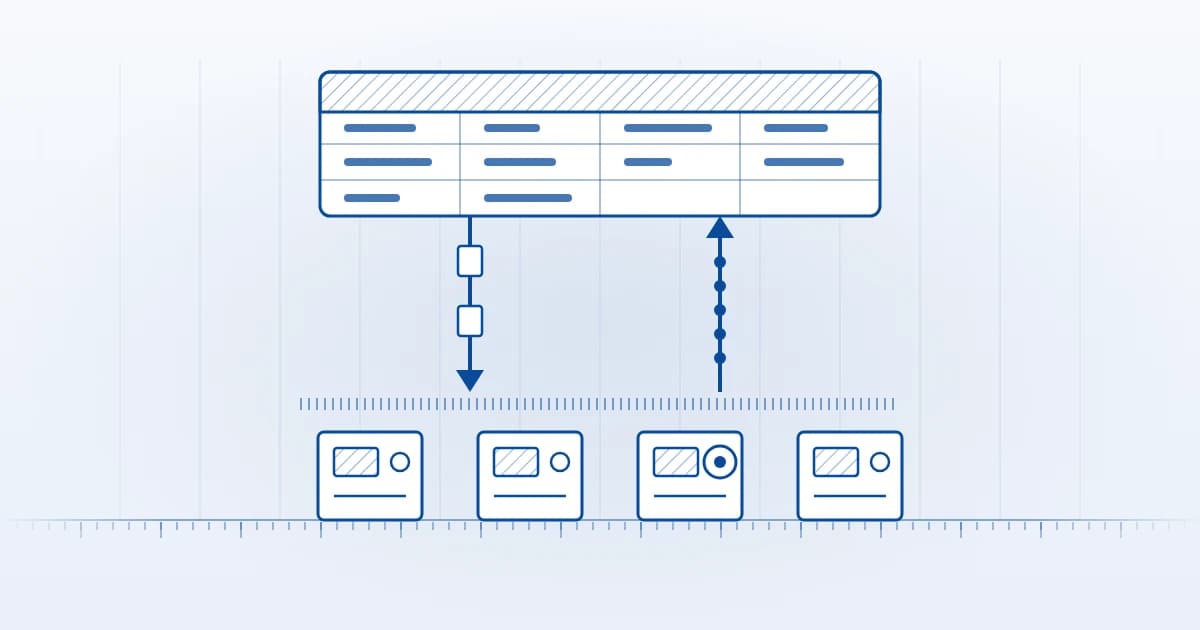
argemas MES is a production layer built on top of SAP, and SAP stays in place. Data flows between the two systems in both directions:
- From ERP to MES: orders, bills of materials and stock.
- From MES to ERP: actual production, operator time, scrap and cost data collected on the floor.
The ERP keeps managing the plan, and MES writes back what that plan turned into on the floor, as it happens. The same two-way integration works with Logo, Netsis, Mikro and Oracle; argemas has ready-made integrations with more than 30 global and local systems. For the details of the SAP integration, see our SAP integration page.
Starting with one module
argemas MES modules can be taken one at a time, so you digitalise only the production processes you need. Your SAP project and your users stay exactly as they are.
Timing depends on scope. In a typical mid-sized textile or automotive supplier plant, the first modules go live within 3 to 6 months; full integration and maturity take 8 to 12 months. Complex multi-site installations can take up to 24 months.
Questions to ask before you decide
Whichever MES you evaluate, if you already have an ERP, ask for clear answers to these:
- Which data flows from ERP to MES, and which from MES to ERP?
- Which system stays the master source for orders, bills of materials and stock?
- Does the integration require changes to your ERP, or a new ERP project?
- Can you start with a single module and expand later?
- How long does the first module take to go live in a factory of your size?
You can look through argemas MES modules and integrations on the argemas MES page.
Share this post